Emotions and Mood
Explore Gallup's research.

Gallup's 2026 "State of the World's Emotional Health" report finds social media matters less to wellbeing than people may assume and not in the ways they might expect.

The percentage of U.S. adults who report currently having or being treated for depression is 19.1%, among the highest measures in Gallup's trend.

Video gaming's link to wellbeing depends on connection: Playing in person with family or friends boosts thriving, even among frequent gamers.

Gallup's new report on emotional health shows negative emotions remain far above levels from a decade ago, with implications for global peace and health.

Daily loneliness among U.S. adults has edged up to 20%, its highest level in two years, but remains down from the pandemic high of 25% measured as recently as March 2021.

Adults in the U.S. who have a body mass index (BMI) indicating obesity more often experience negative emotions and perceive more bias against them than those who are not considered obese.

Environmental crises caused by extreme weather or pollution are linked to greater negative emotions and depressive symptoms, as well as less overall life satisfaction among Americans.

Last year, negative emotions fell for the first time since 2014, with experiences of stress, sadness, anger, worry and physical pain each taking a downturn.

A record-high 57% of Americans say they would feel better if they could get more sleep; Americans average a historically low 6.5 hours per night. Stress levels have been rising, especially among young women.

In the majority of countries worldwide, women's wellbeing suffers when they aren't working at their desired capacity.

In addition to not being engaged at work, a new Wellbeing for Planet Earth Foundation-Gallup study shows Japanese workers also are less likely than average to enjoy what they do at work.

U.S. adults who routinely say hello to their neighbors have higher wellbeing than those who greet fewer or no neighbors.


Gallup's latest annual update on how the world feels shows its emotional state stopped getting worse in 2022, but it may be too soon for leaders, organizations and businesses to relax.
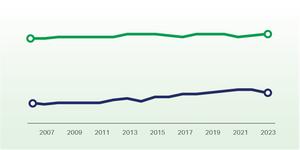
Gallup's Emotional Wellbeing Indicator reveals how the world is feeling, both good and bad.


2020 was the most stressful year in recent history. A record-high 40% of adults worldwide said they experienced stress during a lot of the previous day.



Explore how social media use connects to emotional wellbeing, based on Gallup World Poll surveys of adults across 97 countries in 2026.