UNIX Born
In 1969, Ken Thompson and Dennis Ritchie started working on UNIX. Initially written in assembler, it was soon rewritten in C, a language created by Ritchie and considered high level.
 Thompson & Ritchie
C++ Created
In 1979, Bjarne Stroustrup started developing "C with classes", which would later become the C++. In his opinion, it was the only language of the time that allowed to write programs that were at the same time efficient and elegant.
 Bjarne Stroustrup
Free Software Born
In 1984, Richard Stallman started developing GNU (GNU is Not Unix), a completely free operating system based on Unix, which was proprietary.
 Richard Stallman
Linux Kernel Written
In 1991, Linus Torvalds created the Linux kernel based on MINIX, a version of Unix written by Andrew Tanenbaum. The emergence of Linux has revolutionized the history of free software and helped to popularize it. See the 25 Years of Linux Kernel Development infographic.
 Linus Torvalds
Qt Created
In 1995, the Norwegian company Troll Tech created the cross-platform framework Qt, with which KDE would be created in the following year. Qt became the basis of the main KDE technologies in these 20 years. Learn more about Qt History.
 Qt logo
KDE Announced
In 1996, Matthias Ettrich announced the creation of Kool Desktop Environment (KDE), a graphical interface for Unix systems, built with Qt and C ++ and designed for the end user. The name "KDE" was a pun on the graphic environment CDE, which was proprietary at the time. Read the original announcement of the KDE Project.
 Matthias Ettrich
KDE One Conference Held in Arnsberg
In 1997, about 15 KDE developers met in Arnsberg, Germany, to work on the project and discuss its future. This event became known as KDE One.
 Cornelius Schumacher's Archive
KDE Beta 1 Released
The beta 1 version of KDE was released exactly 12 months after the project announcement. The release text emphasized that KDE was not a window manager, but an integrated environment in which the window manager was just another part.
 KDE Beta 1 Screenshot
KDE e.V. Founded
In 1997, KDE e.V., the nonprofit that represents the KDE community financially and legally, was founded in Tübingen, Germany.
 KDE e.V. logo
KDE Free Qt Foundation Created
The foundation agreement for the KDE Free Qt Foundation is signed by KDE e.V. and Trolltech, then owner of Qt. The Foundation ensures the permanent availability of Qt as Free Software.
 Konqi with Qt in its heart
KDE 1 Released
KDE released the first stable version of its graphical environment in 1998, with highlights as an application development framework, the KOM/OpenParts, and a preview of its office suite.
 KDE 1
KDE 1Konqi Adopted
In April 1999, a dragon is announced as the new animated assistant to the KDE Help Center. It was so charming that it replaced the previous project mascot, Kandalf, from version 3.x on. See the KDE 2 Screenshot showing Konqi and Kandalf.
 Konqi
KonqiKDE Two Conference Held in Erlangen
In October 1999, the second meeting of KDE developers took place in Erlangen, Germany. Read the report on the KDE Two Conference.
 Group Photo (Cornelius Schumacher's Archive)
The Kool Desktop Environment Becomes 'The KDE Desktop'
From the beta 1 version of KDE 2 it is possible to perceive a project naming change. The releases that once referred to the project as "K Desktop Environment", began referring to it only as "KDE Desktop".
 KDE 2 logo
KDE Three Beta Conference Held in Trysil
In July 2000, the third meeting (beta) of KDE developers occurred in Trysil, Norway. Find out what was done during the conference.
 Cornelius Schumacher's Archive
KDE Becomes 'The KDE Project'
From the release announcement of version 2.1.2 there is also a change of the nomenclature. The announcements began referring to KDE as "KDE Project".
 KDE 2.1 Splashscreen
KDE Women Group Created
In March 2001, the creation of community women's group was announced. The KDE Women aimed to help increase the number of women in free software communities, particularly in KDE. Watch the video "Highlights of KDE Women" of the Akademy 2010.
 Original design for Katie, KDE's new mascot
KDE Three Meeting Held in Nuremberg
In March 2002, about 25 developers gathered for the third KDE meeting in Nuremberg, Germany. KDE 3 was about to be released and the KDE 2 code needed to be migrated to the new library Qt 3.
 Group Photo of KDE Three
KDE 3 Released
KDE released its third version, showing as important additions a new print framework, KDEPrint; the translation of the project for 50 languages; and a package of educational applications, maintained by the KDE Edutainment Project.
 KDE 3
KDE 3KDE e.V. Meeting Held in Hamburg
In August 2002, there was a meeting of board members of the KDE e.V. that was essential to establish how the organization works. At this meeting it was decided, among other things, that the brand "KDE" would be registered and that new members should be invited and supported by two active members of e.V..
 Group Photo (Cornelius Schumacher's Archive)
KDE 3.1 Released
In version 3.1 the community presented KDE with a new look, a new theme for widgets, called Keramik, and Crystal as default theme for the icons. See KDE 3.1 New Feature Guide.
 KDE 3.1
Kastle Conference Held in Brno
In August 2003, about 100 contributors of KDE from various countries gathered in a castle in the Czech Republic. The event was called Kastle and was the forerunner of Akademy, the event that would become the international annual meeting of the community.
 Group Photo of Kastle
Akademy 2004 Held in Ludwigsburg
In August 2004, the first international meeting of the community took place. The event was held in Ludwigsburg, Germany, and launched a series of international events called "Akademy" which take place annually since then. The event got its name because it happened in the "Filmakademie" city film school. See the group photos of all Akademies.
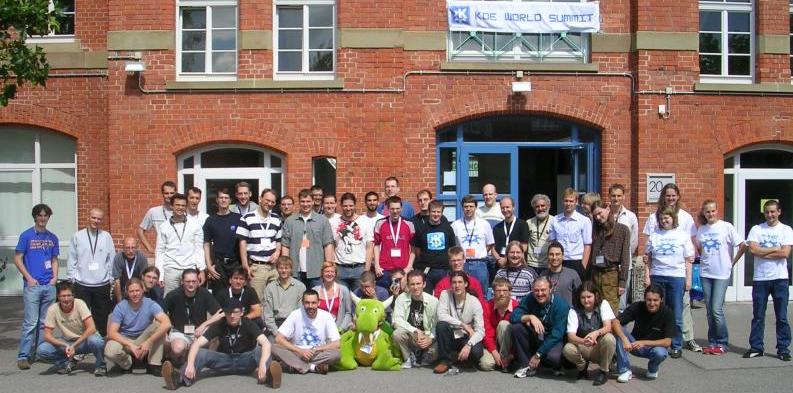 Group Photo of Akademy 2004
KDE 3.5 Released
KDE 3.5 was released. This version introduced several new features, among them, the SuperKaramba, a tool that allowed customize your desktop with "applets"; the Amarok and Kaffeine players; and the media burner K3B. See KDE 3.5: A Visual Guide to New Features.
 KDE 3.5
First Akademy-Es Held in Barcelona
In March 2006, the first meeting of Spanish KDE contributors took place in Barcelona. Since then, Akademy-Es has turned into an annual event. Learn more about Spanish KDE contributors group.
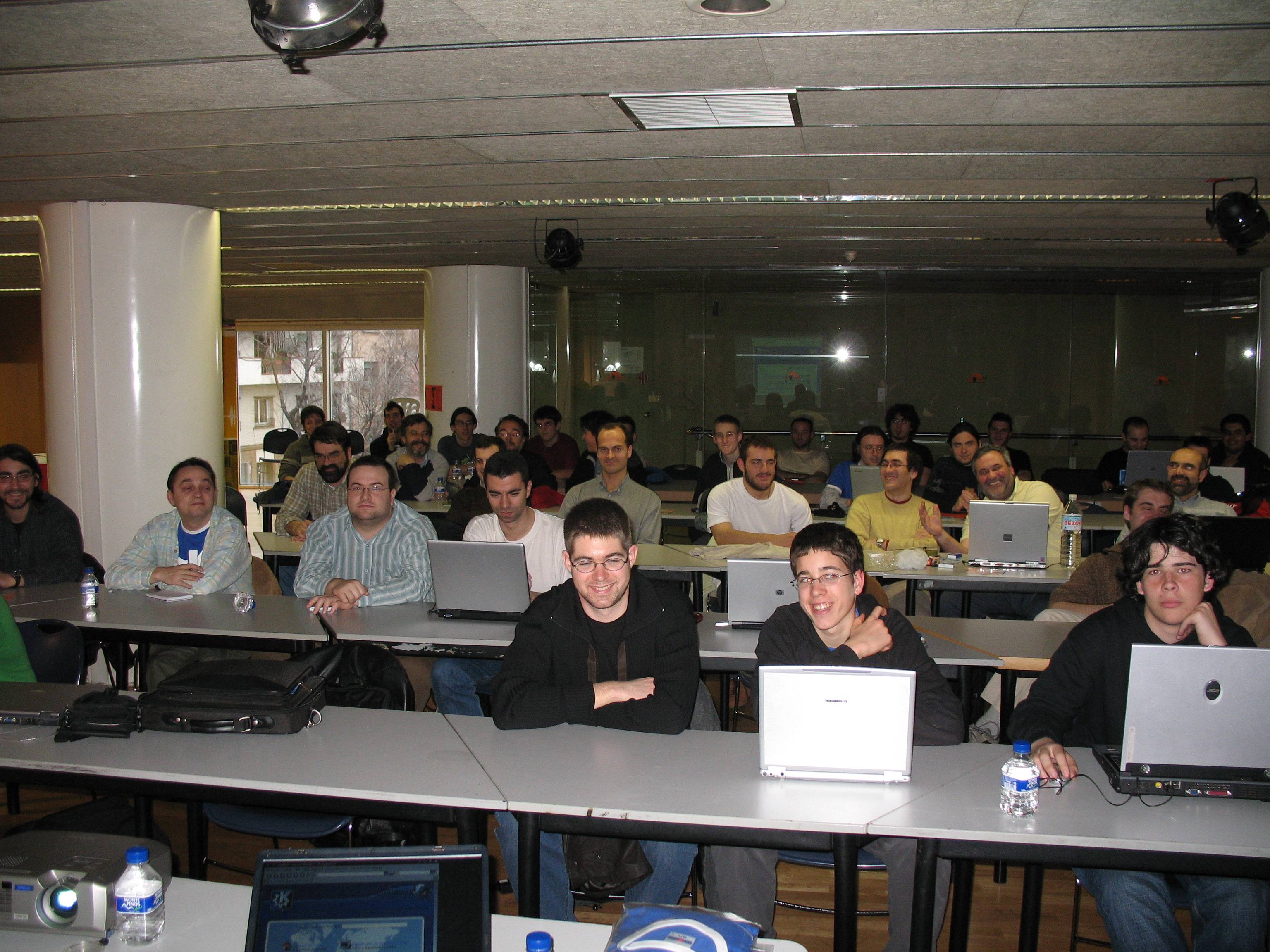 First Akademy-es photo
KDE Four Core Meeting in Trysill
In July 2006, the developers of the KDE core libraries gathered in Trysill, Norway, for the KDE Four Core meeting. The event was a kind of successor to the KDE Beta Three Conference and KDE Three Meeting and in it developers worked on the development of KDE 4 and stabilization of some core libraries to the project.
 Group Photo (Cornelius Schumacher's Archive)
Guademy Held in in A Coruña


KDE 4 Alpha 1 Released
In May 2007, the alpha 1 version of KDE 4, codenamed "Knut", was announced. This announcement showed a completely new desktop, with a new theme, Oxygen, new applications like Okular and Dolphin, and a new desktop shell, Plasma. See KDE 4.0 Alpha 1: A Visual Guide to New Features.
 KDE 4 Alpha 1
KDE 4 Development Platform Released
In October 2007, KDE announced the release candidate of its development platform consisting of basic libraries and tools to develop KDE applications.
 Konqi developer
KDE 4 Released
In 2008, the community announced the revolutionary KDE 4. In addition to the visual impact of the new default theme, Oxygen, and the new desktop interface, Plasma; KDE 4 also innovated by presenting the following applications: the PDF reader Okular, the Dolphin file manager, as well as KWin, supporting graphics effects. See KDE 4.0 Visual Guide.
 KDE 4.0
KDE Becomes the Community
From the announcement of version 4.1 on there was already a tendency to refer to KDE as a "community" and not just as a "project". This change was recognized and affirmed in the rebranding announcement of the following year.
 Konqis community
First Camp KDE Held in Negril
In January 2009, the first edition of Camp KDE took place in Negril, Jamaica. It was the first KDE event in the Americas. After that, there were two more US-based conferences, in 2010 in San Diego, and another in 2011 in San Francisco.
 Group Photo of 2009
Gran Canaria Desktop Summit Held in... Gran Canaria
In July 2009, the first Desktop Summit, a joint conference of the KDE and Gnome communities, took place in Gran Canaria, Spain. The Akademy 2009 was held with this event.
 Group Photo of DS 2009
1 Million Commits Reached
The community reached the mark of 1 million of commits. From 500,000 in January 2006 and 750,000 in December 2007, only 19 months later, contributions reached the 1 million mark. The increase in these contributions coincides with the launch of innovative KDE 4.
 Active contributors at the time
First Randa Meetings Held
In September 2009, the first of a series of events known as Randa Meetings took place in Randa, in Swiss Alps. The event brought together several sprints of various community projects. Since then, Randa Meetings take place annually.
 Group photo of first RM
KDE Rebranded
In November 2009, the community announced changes to its brand. The name "K Desktop Environment" had become ambiguous and obsolete and is replaced by "KDE". The name "KDE" is no longer just referring to a desktop environment, but now represents both the community and the project umbrella supported by this community.
 Brand graph
KDE Software Compilation Becomes a "Thing"
From version 4.3.4 on, KDE announcements began to refer to the whole suite of products as 'KDE Software Compilation' (KDE SC). Currently, this trend is abandoned.
 Brand Map
Akademy-Br Held in Salvador
In April 2010, the first meeting of Brazil KDE contributors took place. The event was held in Salvador, Bahia, and was the only Brazilian Akademy edition. From 2012 on, the event expanded to a meeting for all Latin American contributors.
 Group Photo of Akademy-Br
'Join the Game' Program Announced
In June 2010, the KDE e.V. announced the supporting membership program "Join the Game", which aims to encourage financial support to the community. By participating in the program you become a member of the KDE e.V., contributing to an annual amount and being able participate in the organization's annual meetings.
 JtG logo
KDE SC 4.5 Released
In August 2010, the community announced version 4.5 of its products: Development Platform, Applications and Plasma Workspaces. Each of them began to have a separate release announcement. One of the highlights of this version was the Plasma interface for netbooks, announced in version 4.4.
 Plasma Netbook screenshot
Calligra Suite Announced
In December 2010, the community announces the Calligra Suite, a split from the KOffice suite. KOffice was discontinued in 2011.
 Calligra Suite logo
First Conf KDE in India
In March 2011, the first conference of the KDE and Qt community in India took place in Bengaluru. Since then, the event has taken place annually.
 Group Photo of Conf India
Desktop Summit 2011 Held in Berlin
In August 2011, another joint conference of the KDE and Gnome communities took place in Berlin, Germany. Nearly 800 contributors from all over the world came together to share ideas and collaborate on various free software projects.
 Group Photo of DS 2011
Plasma Active for Mobile Announced
The community released the first version of its interface for mobile devices, Plasma Active. Later, it was superseded by Plasma Mobile.
 Plasma Active 1 screenshot
First LaKademy Held in Porto Alegre
In April 2012, the first meeting of the KDE contributors in Latin America, LaKademy, took place. The event was held in Porto Alegre, Brazil. The second edition took place in 2014 in São Paulo, and since then has been an annual event. So far, all editions were held in Brazil, where the highest number of contributors from the Latin American community is based.
 Group Photo of LaKademy 2012
KDE Manifesto Published
KDE Manifesto, a document that presents the benefits and obligations of a KDE project, was released. It also introduces the core values that guide the community: Open Governance, Free Software, Inclusivity, Innovation, Common Ownership, and End-User Focus.
 KDE Manifesto Art
Konqi Get a Makeover
In December 2012, the community launched a competition to create a new mascot using Krita. The competition winner was Tyson Tan, who created new looks for the Konqi and Katie.
 Konqi redesigned