Donate
Support Care
Articles & News
Field stories
Glossary
Field guides
Environment & Climate Program
The environment enters the body
In East Sumba, climate and pollution are not distant issues. They are the water a child drinks, the smoke a mother breathes while cooking, the food a family can grow, and the infections that become dangerous when care is far away.
- Water, heat & food
- Smoke, waste & plastics
- Vectors, infection & care
Health begins before the clinic
A consultation can treat dehydration, pneumonia, diarrhoea or dengue. It cannot refill a dry well, remove smoke from a kitchen, collect a village’s waste or restore a failed harvest. This programme works further upstream: reducing exposure, building practical protection, sharing knowledge and documenting decisions that put health at risk.
Environment and health
Environmental health, lived at village level
A hotter climate does not create one disease. It changes the conditions in which many diseases become more likely, more severe or harder to treat.
Fair Future connects safer water, primary care, household air, waste, food, vector control and community education. We look at the whole pathway from exposure to illness, then work with families and local health agents on protection that can be used every day.
Economic activity is not progress when it consumes scarce water, degrades land or coasts, multiplies disposable packaging and leaves communities with the health costs. Large water-intensive projects, including industrial aquaculture in arid areas, require serious environmental and public-health scrutiny.
Four routes into illness
What we watch in every village
Drought, distant sources, unsafe storage and polluted water increase dehydration, diarrhoeal disease, skin infections and the pressure on hygiene.
Wood fires in poorly ventilated homes and the open burning of mixed waste expose families to smoke, fine particles and toxic emissions.
Heat, drought, unstable harvests and cheap ultra-processed food reduce dietary quality and weaken children’s resistance to infection.
Changing rainfall, heat, standing water and difficult access to diagnosis affect malaria, dengue and other infections that need early care.
From environment to disease
The pathway is rarely one cause
Clinical risk builds in stages. Seeing the chain makes prevention more precise and shows where local action, public services and regulation must meet.
Exposure begins at home
Smoke, unsafe water, heat, waste and low-quality food enter daily life long before a person reaches a health post.
The body loses margin
Dehydration, poor nutrition, repeated pollution exposure and exhausting work reduce the body’s ability to recover.
Disease finds an opening
Respiratory illness, diarrhoea, malaria, dengue, skin disease and other infections become more likely or more dangerous.
Distance adds severity
Transport costs, damaged roads, weak services and delayed recognition turn treatable illness into an emergency.
Local action interrupts the chain
Safer water, ventilation, waste prevention, mosquito control, nutrition, early assessment and referral reduce risk together.
Practical action, honest limits
What we can change, and what we cannot shift onto families
Environmental health fails when every responsibility is placed on the household. Communities need practical knowledge and local capacity, but they also need public systems, safer products and accountable decisions.
Work we carry with communities
- Build and maintain safer water systems
- Reduce smoke exposure and recognise respiratory danger signs
- Teach the health consequences of waste and open burning
- Strengthen food, nutrition and child-health practice
- Reduce mosquito exposure and connect testing, treatment and follow-up
- Train Kawan Sehat agents to observe, explain, act and refer
Responsibilities beyond the household
- Organised waste collection and safe disposal
- Access to cleaner and affordable household energy
- Environmental and health assessment of land, coastal and water-intensive development
- Producer responsibility for packaging and plastic pollution
- Public adaptation, surveillance, transport and healthcare
- Transparent decisions based on health, water and ecological limits
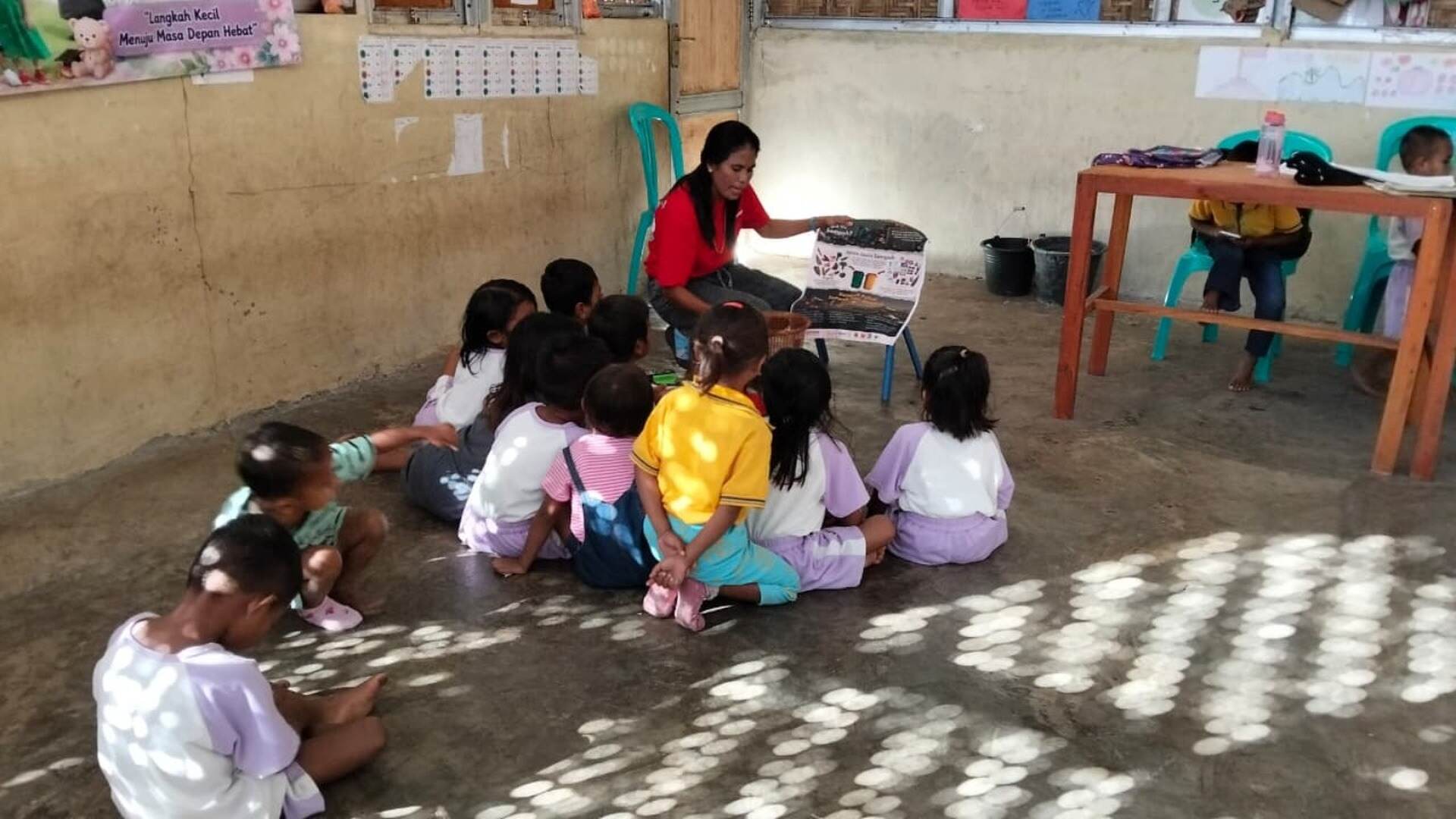
Environmental health education with children in East Sumba.
Knowledge that can travel
Children should not inherit the risk without the science
Education helps people connect what they see with what happens in the body. Posters, schools, local health agents and field data turn invisible exposure into practical understanding without pretending that information alone can replace public services.
Bilingual, illustrated teaching on water, hygiene, waste, malaria, nutrition and daily health choices.
A practical clinical and prevention reference for Kawan Sehat agents working far from professional care.
Structured observations reveal how housing, distance, exposure and delayed care combine in real households.
Quality checks and maintenance connect infrastructure with the health protection it is supposed to provide.
What changes in practice
Protection becomes part of daily life
Water is safer and closer
Reliable systems reduce unsafe sources, impossible journeys and the hygiene compromises created by scarcity.
Danger is recognised earlier
Families and local agents connect exposure with symptoms and know when observation must become clinical care.
Exposure becomes visible
Smoke, heat, waste, plastic, food and water are discussed as health conditions, not accepted as harmless background.
Evidence reaches public debate
Field observations and health data make it harder to ignore the costs transferred to remote communities.
HealthCooking should not cost your healthHousehold wood smoke, poor ventilation and respiratory exposure documented through field research.
CommunityPlastic waste is a public-health failureWhy burning, dumping and microplastics cannot be solved by blaming households without services.
HealthWhen heat becomes a diagnosisExtreme heat as a medical risk for children, older people, pregnant women and outdoor workers.
WaterWater ConnectionsCommunity-built rainwater systems that protect health through long dry periods.
CommunityMalnutrition and child healthFood quality, infection, growth and household conditions viewed as one clinical reality.
LearningTen community education campaignsIllustrated tools that make prevention understandable in homes, schools and village meetings.
ReferenceWHO climate change and healthGlobal health evidence and the actions needed to protect people from climate-related risk.
Live from the field
Environmental health, as conditions change
Two recent clinical and prevention notes from East Sumba. These notes refresh automatically when relevant Field Notes are published.
Directly from the field
Latest Environment & Climate reports
Reporting from East Sumba connects heat, water, air, food, waste and climate-sensitive infections with the decisions that shape everyday health.

Our Team Holds a Waste Sorting Billboard Before It Goes Up in Waingapu
At Rumah Kambera, our team holds a waste sorting billboard before it goes up in Waingapu. Ten panels will carry a message about discarded plastic, burning and shared responsibility. The photograph connects everyday choices with collection services, education and public health in East Sumba.
Leptospirosis Rural Indonesia | Water and Infection
Leptospirosis in rural Indonesia remains dangerously underdiagnosed. In East Sumba and across NTT, unsafe water, rodent exposure, poor sanitation, and delayed care still turn a preventable bacterial infection into severe disease. Clean water, wound care, and early treatment save lives.
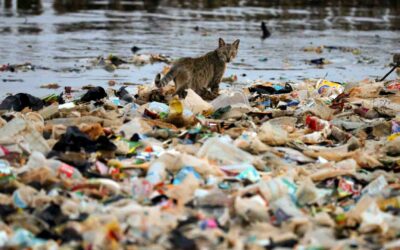
Plastic Waste Public Health Indonesia | Political Failure
Plastic waste public health Indonesia is no longer an environmental issue. It is a political failure. Across rural regions, rivers and villages are overwhelmed by plastic pollution, toxic smoke and contaminated water while authorities ignore waste management and the health risks faced daily by communities.
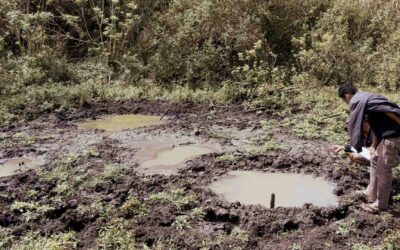
Dengue Climate Change Indonesia | Rising Mosquito Risk
Climate change is reshaping dengue transmission across rural Indonesia. Warmer temperatures, longer rainy seasons and stagnant water near homes create ideal mosquito breeding sites. In isolated villages, prevention, environmental management and early diagnosis remain essential to reduce severe dengue cases.
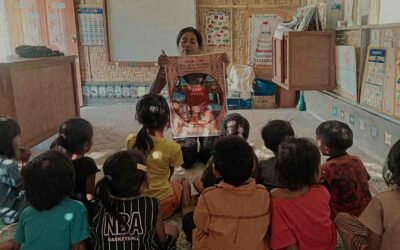
Primary medical care prevention posters
Primary medical care prevention posters are designed and produced by our medical teams to deliver clear, evidence-based health education in ultra-rural communities. Used by trained health agents, they translate prevention, hygiene, and early warning signs into practical actions where no healthcare exists.
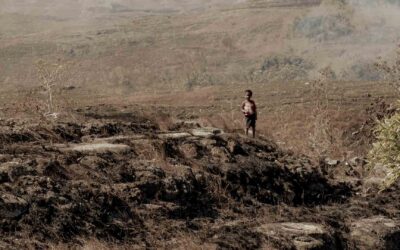
Extreme heat health risks in ultra-rural care
Extreme heat is not just weather in ultra-rural communities. It is a medical risk that worsens dehydration, malnutrition, and infections. From the field, we see how simple actions and early recognition of heat illness save lives every day.
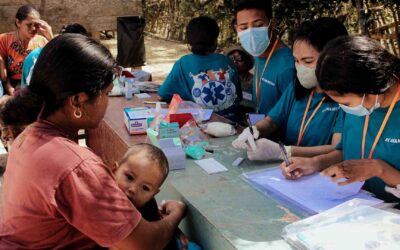
Malaria Screening in Rural Indonesia | Swiss Medical Fieldwork
Beyond the rapid test, each screening includes education, explanation, and practical advice. This moment of dialogue often becomes the first real medical consultation families have ever received, turning a diagnosis into immediate protection.
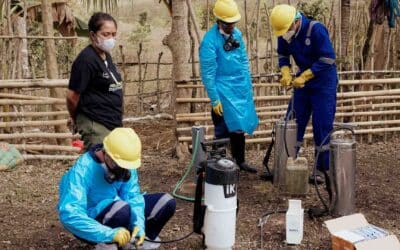
East Sumba malaria prevention 2025 | Field results summary
This article reports field dates, methods and impact from East Sumba malaria prevention. Teams worked with Puskesmas, schools and village leaders to align education, IRS, LLINs and diagnostics. Data and costs are fully documented so partners and health services can improve coverage, reduce transmission and replicate what works.
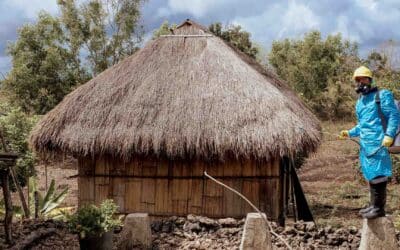
Indoor Residual Spraying malaria – Fair Future Foundation
The Kawan Against Malaria program delivers Indoor Residual Spraying malaria operations in East Sumba. Trained teams spray bamboo and wooden homes, surface by surface, to kill mosquitoes and reduce transmission. Each treated house becomes a safer place for children and families.
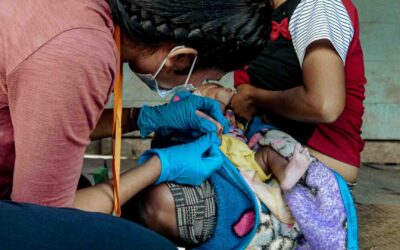
East Sumba Malaria Prevention 2025
Fair Future and Kawan Baik Indonesia lead a three-month malaria prevention project in East Sumba. The initiative combines lab training, awareness campaigns, indoor spraying, and the distribution of insecticide-treated nets to protect thousands of vulnerable families.
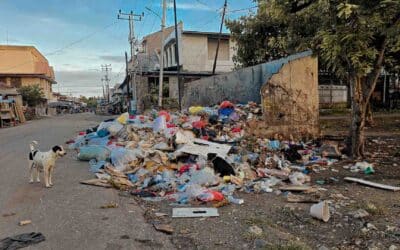
My Waste My Responsibility for a Healthier Future
In Indonesia, unmanaged waste pollution poses a significant threat to lives by causing diseases and environmental harm. Our campaign, “My Waste My Responsibility,” calls for urgent action to address this crisis and advocates for improved policies. We focus on educating the public, taking action, and striving for cleaner air and water to foster…
Why We Keep Getting Sick
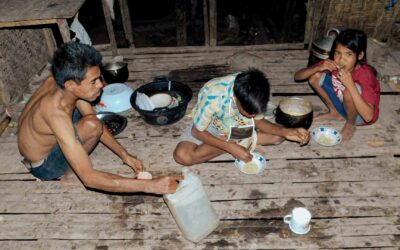
In Laindatang, a child asked why he and his family are always sick. The answer lies in the water: diarrhea, typhoid, skin infections, hepatitis A. Fair Future fights back with clean water and frontline medical care.
Accountability
Environmental work must be judged in daily life
A reservoir, a lesson, a clinic visit or a published report is an output, not the result. The result is safer water, less harmful exposure, earlier care, stronger local capacity and public decisions that stop exporting health costs to remote families.